Catalytic Converter Theft in 2026: Why Your Car Is a Target and What Actually Stops It
Catalytic converter theft takes under two minutes and can cost over a thousand dollars to fix. Here is why certain cars get targeted, and the shields, etching, and parking habits that actually cut the odds.
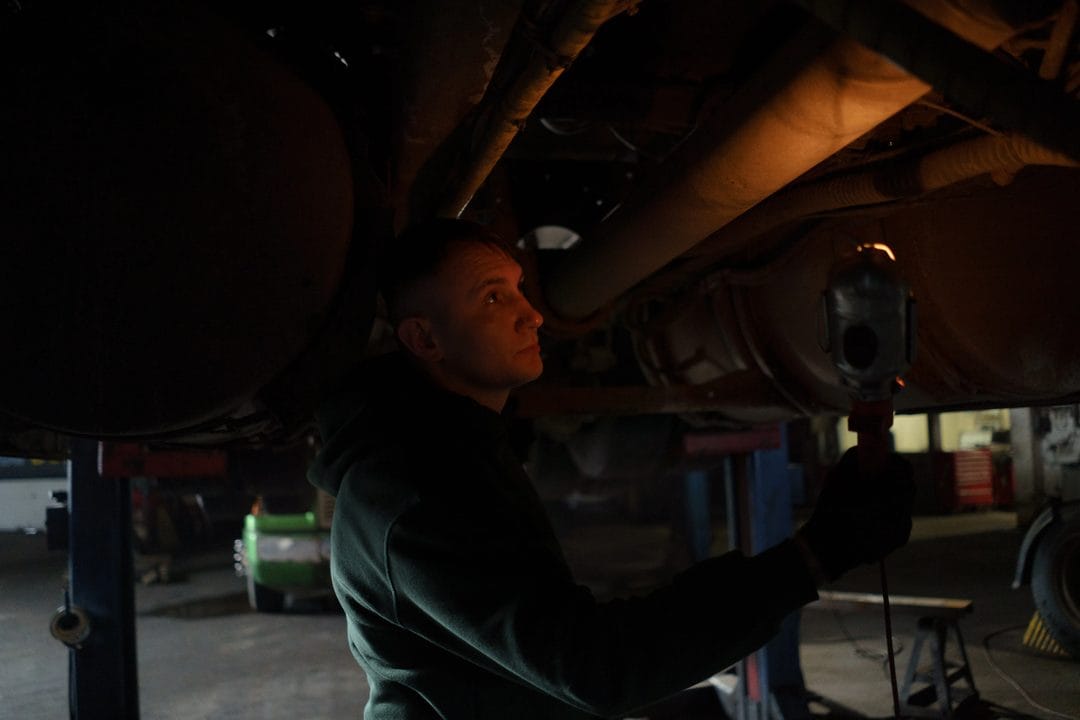
The Sound That Tells You It's Already Gone
The engine turns over fine — that's what throws most people off. You brace for a dead battery or a check-engine light, not a flat, metallic roar that has your neighbor's dog barking before you've cleared the driveway. A missing catalytic converter doesn't kill the car; it just turns a Tuesday morning commute into something that sounds like you're qualifying for a race you never entered, and the repair bill lands somewhere between a brake job and a new transmission.
Thieves aren't after your stereo anymore. They're after the two to three grams of rhodium, platinum, and palladium packed into the honeycomb structure inside your converter, metals that have traded above gold for most of the past several years and show no sign of settling down. A scrap yard doesn't ask many questions about where a converter came from before writing a check, and a two-person crew with a cordless reciprocating saw can be in, out, and three blocks away before your car alarm finishes its first cycle. That combination — untraceable metal, a five-minute job, and a buyer who doesn't want to know the details — is why this crime went from a truck-stop nuisance to a residential-street problem in the space of a few years.
Why the Prius Two Doors Down Gets Hit and Your Sedan Doesn't
Ground clearance is the first filter. A jacked-up pickup or an SUV riding on all-terrain tires gives a thief room to slide a saw underneath without a jack, which is why F-250s, Silverados, and Tacomas show up so often on theft reports in truck-heavy states. But ground clearance only explains access — it doesn't explain why a fifteen-year-old economy car with 180,000 miles on the clock is worth breaking into a garage for, and that part comes down to heat. A Toyota Prius or a Honda Element runs cooler than a comparable gas-only car because the electric motor shoulders part of the load, so its catalytic converter degrades more slowly and holds onto more of its original precious-metal content over time. A 2008 Prius sitting on a quiet street is, by scrap weight, a better target than a well-used 2026 F-150 — less heat cycling means less metal loss, and a thief working off resale math cares about that far more than what your car is actually worth on paper. Add in the fact that older Priuses tend to sit in the same driveway for a decade without moving, and you've got a pattern police departments in Denver, Portland, and half a dozen other cities have flagged for years: the car doesn't need to be valuable, it just needs to be predictable.
The Job Takes Less Time Than Your Coffee Gets Cold
Ninety seconds. That's the realistic window for a crew that's done this before, not a scare number pulled out of a press release.
One person slides under with a battery-powered saw, makes two cuts, and the whole assembly drops straight into a bag. The second stands by the trunk pretending to load groceries while actually watching the street for headlights or a porch light flicking on. Neither one needs a lift, a torch, or anything you couldn't buy at a hardware store for under two hundred dollars — and that low barrier to entry is exactly why this spread from truck stops and big-box parking lots into quiet cul-de-sacs where nobody thought to worry about it.
Etching Won't Stop the Theft — It Kills the Payout
Here's the uncomfortable part: etching doesn't stop anyone from cutting your converter off. Nothing short of a locked garage does that reliably. What etching does is make the part worthless to whoever's buying it, and that's a different kind of protection but a real one. Several metro police departments, including Denver and San Antonio, run free etching clinics where an officer stencils your VIN directly onto the converter shell with an engraving pen — the whole thing takes about five minutes in a parking lot. Scrap yards that knowingly buy a marked converter get burned hard when it turns up in a police sweep, so plenty of them now refuse etched parts outright, and that refusal is what actually moves the number of thefts down in a given area. If your city doesn't run a clinic, a DIY etching kit from AutoZone or O'Reilly runs about twenty dollars and takes the same five minutes in your own driveway. Get it done this week — not after the tow truck's already been called.
Shields Are Worth the Money — Skip the YouTube Chain Hacks
Buy an actual cage, not a chain. A CatClamp or a MillerCAT shield bolts a hardened steel cage directly around the converter and typically runs $150 to $400 installed, depending on whether your muffler shop already stocks a kit for your exact model. Compare that to a $1,200–$3,500 replacement bill for a stolen converter with an integrated oxygen sensor housing, and the shield pays for itself the first time a crew tries your car and gives up rather than fights through steel with a battery-powered saw.
- CatClamp — universal-fit steel cage, roughly $150–$250 installed on most sedans and small SUVs
- MillerCAT — model-specific cages built for the most-targeted Toyota, Honda, and Ford platforms, usually $300–$400
- A local independent muffler shop can often weld a basic cage for less than either name-brand kit, though the fit and finish won't always match a purpose-built shield, and a few shops won't take the job on at all
Skip the padlock-and-chain videos making the rounds online. A cage a thief has to grind through, rather than just cut past, takes long enough that most crews give up and move to the next driveway instead.
Where You Park Changes the Odds More Than Any Product
A garage beats a driveway, and a driveway beats street parking, in that order, every single time. If a garage isn't an option tonight, angle the car so the undercarriage faces away from the street rather than toward it, and park under a working light or camera instead of in the dark gap between two streetlamps. Thieves case a block before committing to a car, and an easy, unwatched exit route matters more to them than which specific model they end up cutting into.
The same logic applies at work and at the grocery store. Park near the entrance, near the cart return, or near a spot with foot traffic rather than tucking into the empty far corner of the lot because it's easier to back out of — that corner is exactly where a crew wants you parked, and a spot fifteen feet closer to the door genuinely changes the calculation for them.
What Your Insurance Actually Pays For
Comprehensive coverage handles catalytic converter theft. Liability-only policies don't, and that gap catches a lot of owners the first time they call their agent after finding an empty space under the car. Deductibles on comprehensive claims typically run $500 to $1,000, so a repair estimate that lands close to your deductible might not be worth filing at all — get the shop's number in writing before you call the claim in, not after.
A comprehensive claim generally doesn't spike your premium the way an at-fault accident would, since you're not the one who caused the loss. That said, insurers in a handful of states have started flagging repeat comprehensive claims within a short window for non-renewal, so a second converter theft in the same year isn't entirely consequence-free even with the right coverage in place.
The First Hour After It Happens
File the police report before you call the insurance company — most adjusters ask for a report number as the very first line of the claim, and skipping that step just means a second phone call later. Get two repair quotes: one from the dealership for an OEM assembly with the factory oxygen sensor housing, and one from an independent muffler shop for an aftermarket unit, because the price gap between those two options on the exact same car can run into four figures.
And if a shop tries to sell you a generic "universal" converter without checking your state's emissions certification, walk away. Several states test for CARB compliance at registration renewal, and a non-compliant part will fail you right back into the same shop within a year, except this time you're paying for the labor twice.