Restomod Culture: When It Works and When It Ruins a Classic
Restomods can be brilliant or disastrous. Here is how to tell which is which before spending a fortune.
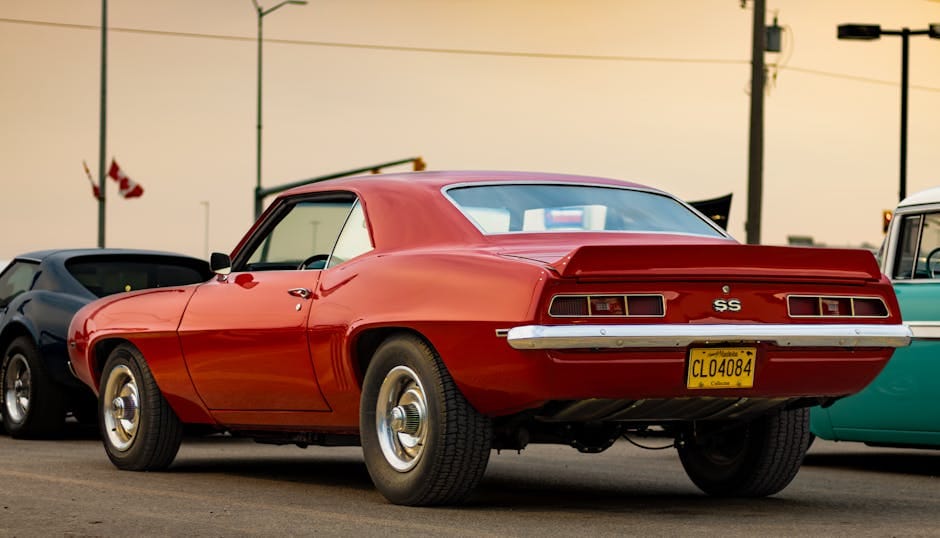
A buddy recently showed me photos of his freshly finished 1969 Camaro. LS3 swap, Detroit Speed suspension, Wilwood brakes, custom leather interior, coilovers, four-wheel disc brakes, AC that actually works, modern infotainment with Apple CarPlay. He spent about $180,000 building it from a $28,000 starting point. Drives like a modern car with vintage style. I asked what it was worth as a finished product and he said "maybe $90,000 if I list it." That's the restomod reality that nobody mentions when they're planning the build.
Restomods have become a major segment of the collector car world over the past fifteen years. The concept is simple: take a vintage car and update the drivetrain, suspension, and often interior to modern standards while keeping the original exterior styling. When done well, you get the visual appeal of a classic with the usability of a modern car. When done poorly, you get a car that's worth less than the parts that went into it, pleases nobody, and is difficult to sell.
What restomods actually are
The proper definition is restoration plus modification where specific components are upgraded for performance, reliability, or usability while the overall character of the car is preserved. A 1967 Camaro with LS swap, modern suspension, and power brakes is a restomod. The same car with a wild body kit, airbrushed graphics, and electric motor swap is no longer a restomod, it's a custom build or pro-touring car.
The line between restomod and custom is fuzzy but it matters for resale. Restomods preserve or enhance the original character. Customs override it with the builder's personality. Restomods have broader market appeal. Customs sell only to the narrow audience that shares the builder's taste.
Successful restomod categories
American muscle with LS or Coyote swaps. GM LS engines in Camaros, Novas, Chevelles, and similar vintage Chevys. Ford Coyote V8s in Mustangs, F-100s, and Broncos. These combinations work because the engines are reliable, the swaps are well-documented, parts are abundant, and the resulting car drives predictably.
Classic trucks with modern chassis. A 1970 Ford F-100 on a new Roadster Shop or Art Morrison chassis with modern drivetrain is an established category. Trucks were never precious collectibles, so modifying them doesn't offend purists. The category is established enough that several turnkey builders specialize in it.
Early Broncos and Defenders. ICON started this with their Bronco restomods, and the concept has spread. These are legitimate restomods when executed at high quality, generally six-figure builds.
Select European classics. Porsche 911 backdates where a modern 964 or 993 is built to look like a 1970s impact-bumper 911, with modern drivetrain and suspension. Singer Vehicle Design cars are the extreme expression of this, $800,000+ restomods that have become their own collector category.
Why most restomods lose money
Build cost vs. sale price math almost never works out. A typical American muscle restomod costs:
- Donor car: $15,000 to $35,000
- Body work and paint: $25,000 to $60,000
- Engine swap including transmission: $25,000 to $45,000
- Suspension and brakes: $15,000 to $30,000
- Interior restoration and modernization: $15,000 to $40,000
- Electronics and wiring: $5,000 to $15,000
- Miscellaneous parts, shipping, misses: $10,000 to $25,000
Total typically $110,000 to $250,000 for a quality build. The finished car rarely sells for more than 60-70% of that figure. The reason is that buyers comparing restomod Camaros are comparing to production-quality builds that sell at a reference price. Unless your build is notably better or from a notable builder, you get the reference price regardless of what you invested.
When restomods appreciate
Restomods built by established professional shops with paper trails from recognized names do hold value and sometimes appreciate. Roadster Shop, Ringbrothers, Classic Recreations, and a few dozen other shops have developed reputations where their cars sell at or above build cost. The shop's reputation contributes a premium that a DIY build doesn't capture.
Award-winning concours-level builds also have value beyond their parts. A restomod that has been on the cover of Hot Rod or has won Goodguys Street Machine of the Year carries provenance that adds to resale value.
Singular platform combinations executed well can appreciate. The ICON FJ44 (their original FJ44 land cruiser) is worth more today than the build cost. Singer Vehicle Design 911s appreciate reliably. These are exceptions, not the rule, and require either extreme execution quality or a unique concept.
What ruins a restomod
Cutting corners visible to knowledgeable buyers. Uneven panel gaps. Sloppy wiring. Cheap interior materials that don't match the rest of the build. An LS swap with an obviously-sourced junkyard wiring harness. These details don't disqualify the car functionally but they cost 15-25% on the sale price because buyers notice immediately.
Period-inappropriate modifications. Installing a modern steering wheel in a 1960s Camaro makes the interior feel wrong. LED headlights in a vintage car that's supposed to look classic. Modern gauges in a dashboard that's otherwise restored to period. Each of these small choices breaks the illusion.
Over-customization that narrows the buyer pool. A bright orange 1969 Camaro with black stripes and murdered-out wheels is a vision the builder wanted. The person buying it doesn't have that vision. If your paint choice and wheel choice only appeal to 15% of potential buyers, you've cut your market significantly.
Wrong donor cars
Starting with a rusty, incomplete, or body-damaged car. Restoration cost scales exponentially with the condition of the donor. Starting with a straight, solid car saves $30,000-60,000 in body work compared to starting with a rough donor. The math never works out on rusty donors no matter how cheap the initial purchase.
Starting with the wrong year of the right car. A 1968 Camaro and 1969 Camaro look similar to a casual observer but certain details differentiate them. The 1969 is generally worth more finished. If the price difference between donor years is $5,000 but the finished car difference is $15,000, always buy the later year.
When a restomod makes sense
You want to drive a vintage-styled car extensively. A pure restoration keeps a car period-correct but makes it uncomfortable for daily use. Modern air conditioning, braking, steering, and seating make a classic actually drivable. If you plan to drive the car 5,000+ miles a year, a restomod is more sensible than a restoration.
You have a $150,000 budget and want a unique car. You can't buy a new Porsche or Corvette with that money. You can build a unique restomod that delivers a driving experience you can't get from any production car. The personal enjoyment of driving a car you built is real and hard to value in dollar terms.
You're genuinely a builder. If you're a fabricator, welder, engine guy, or someone who enjoys the process, the math changes because your labor isn't priced at shop rates. You can build a $180,000-quality car for $90,000 in parts if you're doing the work yourself. This is the path of most people who end up happy with their restomods.
When a restomod ruins a classic
The car is rare and already valuable. A matching-numbers 1970 Chevelle SS454 is worth $75,000+ in original condition. Restomod-ing it destroys originality that's worth more than any modifications could add. The same is true for specific high-value classics: original Hemi Cudas, real Shelby Cobras, Pre-A Porsches, various Ferraris.
The restomod erases irreversible provenance. Certain cars have documented histories that add value. A 1969 Camaro that was built by a famous shop, or has racing history, or belonged to a noteworthy person, loses that value if the restomod obscures or conflicts with that history.
The modifications are not well-matched to the platform. Putting a huge turbo LS in a unibody 1960s muscle car without reinforcing the chassis creates a car that flexes badly. Oversized tires that rub the fenders at full suspension compression. Suspension geometry changes that create unpredictable handling. These are cars that don't work because the builder didn't engineer them properly.
Hiring the right shop
If you're not doing the work yourself, pick a shop carefully. The shop's portfolio tells you what they're actually good at. A shop that specializes in early Broncos may not be the right choice for a Mopar muscle car. A shop that does show cars may not be the right choice for a driver-quality build.
Get detailed estimates in writing with itemized line items. Restomods run over budget routinely because "discovery" items during disassembly aren't accounted for. Reputable shops will acknowledge this and include contingency. Cheap shops will lowball the initial estimate and surprise you with overages later.
Visit the shop multiple times during the build. A good shop welcomes this. A shop that resists visits has something to hide. You want to see your car in progress, talk to the technicians working on it, and verify the quality of work as it happens.
Timeline expectations
A full restomod from a rough donor takes 18-36 months at a professional shop. Anyone promising 6-month turnaround is either cutting corners or overcommitted and will delay you. Plan for the build to take longer than estimated. Plan for the cost to come in higher than estimated. Plan for the finished car to be ready later than you expect.
If you need a car by a specific date, buy one that's already built or already underway. Commissioning a build for a specific deadline sets you up for disappointment.
The honest conclusion
Build a restomod because you want the car and you want the experience. Don't build one as an investment. Don't build one expecting to sell it profitably. If those are your motivations, buy a finished build from a recognized shop, or buy a lightly-driven example from someone who already ate the depreciation.
The restomods that have made people money are rare exceptions. Most builders lose money but walk away with a car they love. The ones who are unhappy are the ones who expected something different. Set expectations correctly and the experience can be wonderful. Set them wrong and it becomes the most expensive mistake in your garage.