Road Trips: Car Prep for Long-Distance Driving
Most road trip breakdowns are preventable with two weekends of basic prep work before departure.
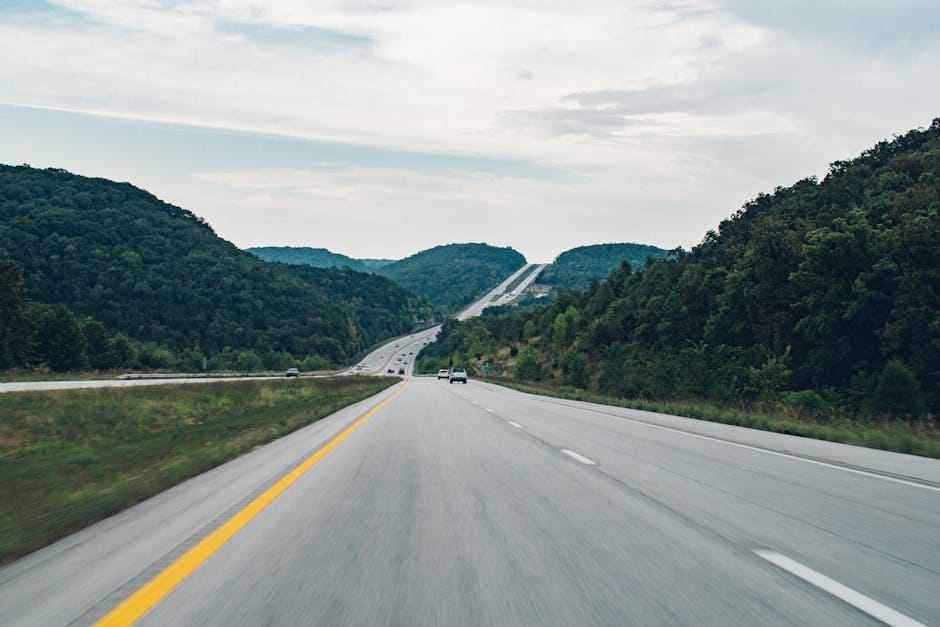
My girlfriend and I drove from Seattle to San Diego last spring. 1,255 miles in two and a half days. The trip went fine, which is to say the car didn't catastrophically fail and we didn't spend our budget on emergency repairs. That outcome wasn't luck. I'd spent two weekends getting the car ready, and half the fun of long-distance driving is that preparation work. Most people don't do any of it, which is why most people end up stranded somewhere they didn't plan to stop.
Road trip car prep isn't complicated. It's boring and systematic. You work through a checklist of mechanical, fluid, and safety items. You catch what's almost broken before it actually breaks. You stock the cabin with the stuff you'll want and won't want to overpay for on the road. Here's how I do it, and what each step is actually preventing.
Mechanical inspection: two weeks out
Start the prep work at least two weeks before you leave. You need time to catch problems and get them fixed. The day before you leave is too late. Parts take time to ship. Shops get booked. The alternator you didn't check will fail on the interstate, and then your trip becomes a story about Iowa towing companies.
The big items to check, in rough order of what kills road trips most often:
- Battery health and age, specifically cold cranking amps tested at a parts store
- Alternator output under load, tested during an engine running check
- Belts and hoses for cracking, softness, or bulging
- Cooling system for leaks and proper coolant concentration
- All four tires for tread depth, uneven wear, and proper pressure
- Brake pad thickness and rotor condition
- Suspension for worn bushings, shocks, or ball joints
A tire store or general repair shop will do a multi-point inspection for free if you're getting other work done. An oil change place will do it for $20 standalone. Neither of these replaces a full mechanical inspection but both catch obvious upcoming failures.
The battery question
Batteries fail at the most inconvenient times because they fail under load. A three-year-old battery passes every static test and then fails to crank after a night of cold and a morning of heavy accessory use. If your battery is over four years old, just replace it before the trip. A new battery costs $180 and prevents a $300 roadside replacement in Nowhere, Wyoming, on a Sunday.
Most parts stores will test your battery free. Ask for the cold cranking amps number rather than just the pass/fail. A battery reading at 70% of its rated CCA is within spec but is the one that will fail you next month. Below 80% of rated capacity means replace.
Tire prep: the single biggest safety item
Road trips happen at speeds and distances that expose tire problems. A tire with low tread depth that's fine for city driving becomes a hydroplaning risk at 75 mph in rain. A tire with an old date code can delaminate from heat even if the tread looks fine. A tire with uneven wear patterns is signaling something about your alignment or suspension that will get worse under sustained highway use.
Measure tread depth in multiple places on each tire. The legal minimum in most states is 2/32 inch but tires begin to lose significant wet-weather performance below 4/32. For a road trip in any weather, I want 5/32 or better across all four tires. Uneven wear patterns, cupping, or edge wear means get the alignment checked and possibly rotate the tires.
Reading date codes
Every tire has a four-digit date code on the sidewall. The first two digits are the week of the year. The last two are the year. A tire marked 3219 was made in week 32 of 2019. Tires over six years old should be replaced regardless of tread depth because the rubber compounds break down with age. Ten-year-old tires with full tread are more dangerous than three-year-old tires worn halfway through.
Check tire pressure when the tires are cold, meaning parked for at least three hours. The number on the sticker inside your driver's door is the correct pressure, not the max pressure printed on the tire sidewall. Most cars want 33-36 psi for regular driving. Add two psi if you'll be fully loaded with passengers and cargo for the trip.
Fluids and filters
Get an oil change within a week of departure, even if you're slightly under the mileage interval. Fresh oil is cheaper than an engine. Ask the shop to also top off coolant, brake fluid, power steering if applicable, and washer fluid. Check the transmission fluid level and color yourself, or have them do it if your car allows it. Transmission fluid that's dark brown or smells burnt is an upcoming transmission problem.
Replace the engine air filter if it's dirty. They cost $15 and visibly affect fuel economy, which matters over 1,000 miles. Cabin air filter is also worth changing if you're traveling with anyone who has allergies, which becomes relevant if your route passes through wildfire smoke, agricultural areas, or dusty stretches.
The wipers you forgot about
Windshield wipers are the thing nobody checks. They're also the thing that ruins your visibility in the first rainstorm. Drive the car through the automatic wash once before departure and evaluate the wipers under wet conditions. If they streak, chatter, or miss areas, replace them. $40 for a set of good silicone wipers and five minutes to install.
What to pack
Emergency supplies live in the trunk and don't come out unless you need them. The list:
- Jumper cables or a lithium jump pack, I prefer the pack because you don't need another car
- Tire inflator that plugs into the 12V outlet, $40 on Amazon
- Plug kit for tubeless tires, which handles nail punctures in 15 minutes at the shoulder
- Full-size spare tire verified to be inflated, or a tire mobility kit if no spare
- Functioning jack and proper lug wrench for your wheels
- Flashlight with fresh batteries, ideally headlamp style so you can use both hands
- Basic first aid kit
- One gallon of water beyond what you're drinking, for both you and the radiator
- Emergency blanket, even in summer, because breakdowns don't care about weather
- Phone charger that works off the 12V outlet, with a cable to spare
Skip the fancy roadside kits from auto parts stores. They're marked up and contain junk you'll never use. Build your own with the list above.
Navigation and communication
Download offline maps for your entire route on Google Maps or Apple Maps. Cell service is spotty across most of the American West, and basically non-existent in large parts of Nevada, Wyoming, Montana, and rural Arizona. Without offline maps, you're driving blind any time you lose signal. With them, you keep navigating regardless of coverage.
Tell someone your itinerary, including overnight stops and expected arrival times. This sounds excessive until you break down in a cell dead zone and need someone to know where to start looking. A check-in text at each overnight is enough.
Insurance and roadside assistance
Verify your roadside assistance coverage before you leave. Many insurance policies include it but limit it to specific types of incidents or mileage. AAA has reliable nationwide coverage and costs about $100 a year for Plus tier, which covers towing to 100 miles. For a long trip this is cheap insurance.
If you have newer credit cards, some include roadside and trip interruption coverage. The Chase Sapphire Preferred and the Amex Platinum both include various forms of this. Dig into your benefits before the trip so you know what to invoke if something goes wrong.
Photograph your car
Before leaving, take photos of every panel, the mileage, and the interior condition. This is boring. It's also what you'll need if you're involved in a collision where someone argues about preexisting damage, or if you rent or borrow a car mid-trip.
Day of departure
Fill up the tank before leaving home. Gas prices vary wildly on interstates, and starting with a full tank gives you range flexibility to choose when to refuel. Check tire pressure one more time cold. Verify oil level on the dipstick. Start the engine and let it settle into idle for 30 seconds before pulling away. None of this is magic. It's the routine of someone who's broken down before and never wants to again.
A car that's been properly prepped will handle a 1,500-mile trip without drama. It's the preparation that determines the outcome, not the car's badge or age. I've done this drive in a 12-year-old Subaru and it was boring. I've seen brand-new luxury SUVs sitting on the shoulder outside Bakersfield. The difference was what happened in the garage two weeks before.