Cat S and Cat N Write-Off Cars: What the Damage Categories Actually Mean Before You Buy That Cheap Motor
That cheap used car might be a write-off. Here's what Cat S and Cat N actually mean, how to check before you buy, and when the discount is worth it.
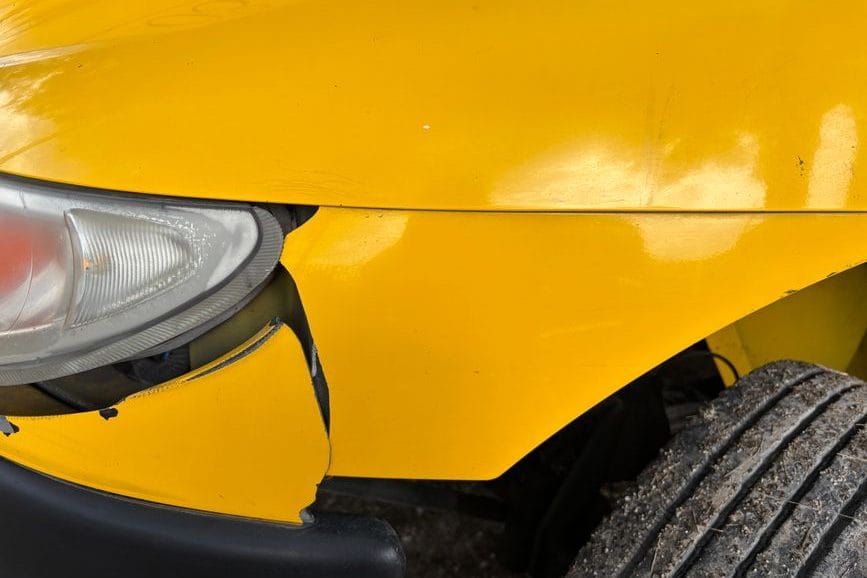
The £3,000 discount that isn't explained in the first three lines
A five-year-old Volkswagen Golf GTI turns up on Facebook Marketplace at £9,500 — a good £3,000 under what the same car, same mileage, same trim, is fetching everywhere else that week. The seller's description reads "drives perfectly, no issues, quick sale needed." Nowhere in the opening lines does it mention the word that actually explains the discount: Cat N. That's rarely an accident. Sellers know "insurance write-off" spooks buyers on sight, so the category gets buried three paragraphs down, mentioned only in response to a direct question, or left off the advert entirely until you run the registration yourself. Once you know what you're looking at, a write-off marker isn't automatically a reason to walk away — plenty of Cat N cars are genuinely fine to drive every day. But you need to know exactly what happened to the car, who fixed it, and what that marker will cost you in insurance, finance and resale before you agree a price.
Cat A, B, S and N — what the letters actually mean
Until October 2017, the UK ran on the old Cat A/B/C/D system, and Cat C and D in particular earned a bad reputation: cars with genuinely serious accident damage were quietly patched up by a mate with a welder and sold on with no obligation to disclose much of anything. The Association of British Insurers rewrote the categories that year specifically to close that gap, and the new system is the one every insurer in Britain now uses. Category A means total loss — the car is crushed, full stop, no parts salvaged, no exceptions. Category B means the shell gets crushed but usable parts — an engine, a set of doors, an infotainment unit — can be stripped and sold on before that happens. Those two never reappear on the road under their original identity, which is exactly the point. Category S and Category N are the two that matter to anyone shopping for a used car, because both categories describe cars that insurers judged repairable and that are legally allowed back on the road once the work is done and, for Cat S, properly signed off.
Structural versus non-structural
Cat S stands for structural damage: the chassis, a crumple zone, a suspension mounting point, or another load-bearing part of the car was affected in the incident that wrote it off. Before a Cat S car can be re-registered as roadworthy, an independent structural engineer has to inspect the repair and confirm the car meets the manufacturer's original safety tolerances — that report typically runs £150 to £300 depending on the inspector and the make, and DVLA won't clear the marker without it. Cat N covers everything else: a smashed rear bumper, a stolen catalytic converter, a cracked windscreen claim, cosmetic panel damage, even flood-soaked carpets — anything that didn't touch the structural integrity of the car. No engineer's report is required for Cat N, and no DVLA re-registration step exists, which is exactly why so many Cat N cars slip back into general listings without a second glance. Here's the catch nobody mentions at the point of sale: "non-structural" is a legal category, not a guarantee the car is simple. A Cat N marker gets applied to a car that flooded up to the door sills just as readily as one with a dented wing, because in both cases the chassis itself wasn't bent — even though soaked wiring looms, corroded ECU connectors and mould in the ventilation system are a far worse problem than a respray. Ask what actually happened, not just which letter got assigned.
How to check before you hand over a deposit
Skip this step and you're buying blind.
- Run a full HPI Check (or the Experian AutoCheck equivalent) before you even arrange a viewing — at under £20 for a single-vehicle report it costs less than a tank of diesel, and it will show the write-off category, the date it was recorded, outstanding finance and any mileage anomalies in one go.
- Ask the seller directly for the repair invoice and, for any Cat S car, the structural engineer's report that cleared the DVLA marker in the first place
- Book an independent inspection through the AA or RAC (roughly £150–£200) before you commit to a deposit, particularly on a Cat S car where the whole question is whether the repair actually restored the chassis geometry
- and if a seller won't let an inspector near the car ahead of a deposit, that refusal tells you more than any HPI report will.
The DVLA's own free vehicle enquiry service will confirm current tax and MOT status, but it doesn't show write-off history at all — that detail sits in the insurance industry's own database, which HPI, Experian and the other commercial checking services draw on. Don't mistake a clean DVLA lookup for a clean history; they're answering two completely different questions.
What it does to your insurance and your finance
Several mainstream insurers, Aviva and Direct Line among them, either decline Cat S and Cat N cars outright or load the premium by 10–20% once the category shows up on the quote, and you'll usually need to disclose repair documentation before they'll even give you a number. Specialist insurers such as Adrian Flux will cover write-off categories at closer to standard rates provided you can produce the paperwork, so it's worth getting a quote from at least one of them before you assume the car is uninsurable. Finance is the bigger obstacle in practice: most mainstream lenders, including the finance arms tied to main dealer groups, refuse HP or PCP agreements on Cat S and Cat N vehicles as a blanket policy, which pushes buyers toward cash purchase or a narrower pool of specialist lenders. Don't finance a Cat S car through a subprime lender advertising "bad credit welcome" on a search results page — the APRs on write-off vehicles from that end of the market routinely clear 25%, and that erases whatever you saved on the purchase price within eighteen months of repayments.
The resale gap that keeps growing
Cat S and Cat N cars typically sell 20–40% below an equivalent clean-title example at the point you buy them, and that gap doesn't shrink with age — if anything it widens, because the next buyer down the line faces exactly the same insurance friction and finance restrictions you did, and expects an even steeper discount to compensate. A three-year-old Ford Fiesta ST with a clean title might trade at £9,000–£10,000; the same spec with a Cat N marker and honest mileage often sits closer to £6,500–£7,000, a gap that only widens once you compare like-for-like listings on the major classifieds sites. That's not a reason to avoid write-offs — it's a reason to buy one only at a price that already reflects the resale reality, rather than paying "nearly clean-title money" for a car that will never trade at clean-title prices.
Red flags worth walking away from
A competent repair on a Cat N car should be close to invisible; a competent repair on a Cat S car should come with paperwork that proves it. Look for uneven panel gaps around the doors and bonnet, paint overspray on rubber seals or trim clips (a strong sign of a full respray after body damage), underseal on the floorpan that doesn't match the colour or texture of the rest of the underbody, an airbag warning light that flickers or stays lit, and tyre wear that's noticeably uneven side to side — a classic symptom of a subframe that wasn't fully straightened. Doors that close with different resistance on the left and right of the same car are another tell, and one that's easy to miss on a quick test drive but obvious the moment you pay attention to it.
Is a Cat S or Cat N car actually worth buying?
For a Cat N car with clear, minor, well-documented damage — a stolen catalytic converter claim, a windscreen claim, honest cosmetic panel work — buy with confidence once the HPI report and the repair invoice line up, and use the resale gap to negotiate a genuinely fair price rather than a token £500 off. For Cat S, only go ahead if you can get an independent structural inspection on top of the engineer's report, and only if you're planning to keep the car long enough to absorb the resale hit rather than flip it in a year, because a quick sale on a structural write-off rarely goes the way sellers hope. Walk away from anything where the seller is vague about what actually happened, can't produce a repair invoice, or won't let an inspector near the car before a deposit changes hands. A discount only counts as real money in your pocket once you understand exactly what you're discounting — and on a write-off, that means reading the paperwork, not just the price.