2026 Used Midsize Truck Buyer's Guide: Toyota Tacoma vs Ford Ranger vs Nissan Frontier
The used midsize truck market in 2026 has three clear tiers by price and capability. Here's how the Tacoma, Ranger, and Frontier stack up — and which one to buy depending on what you actually need it for.
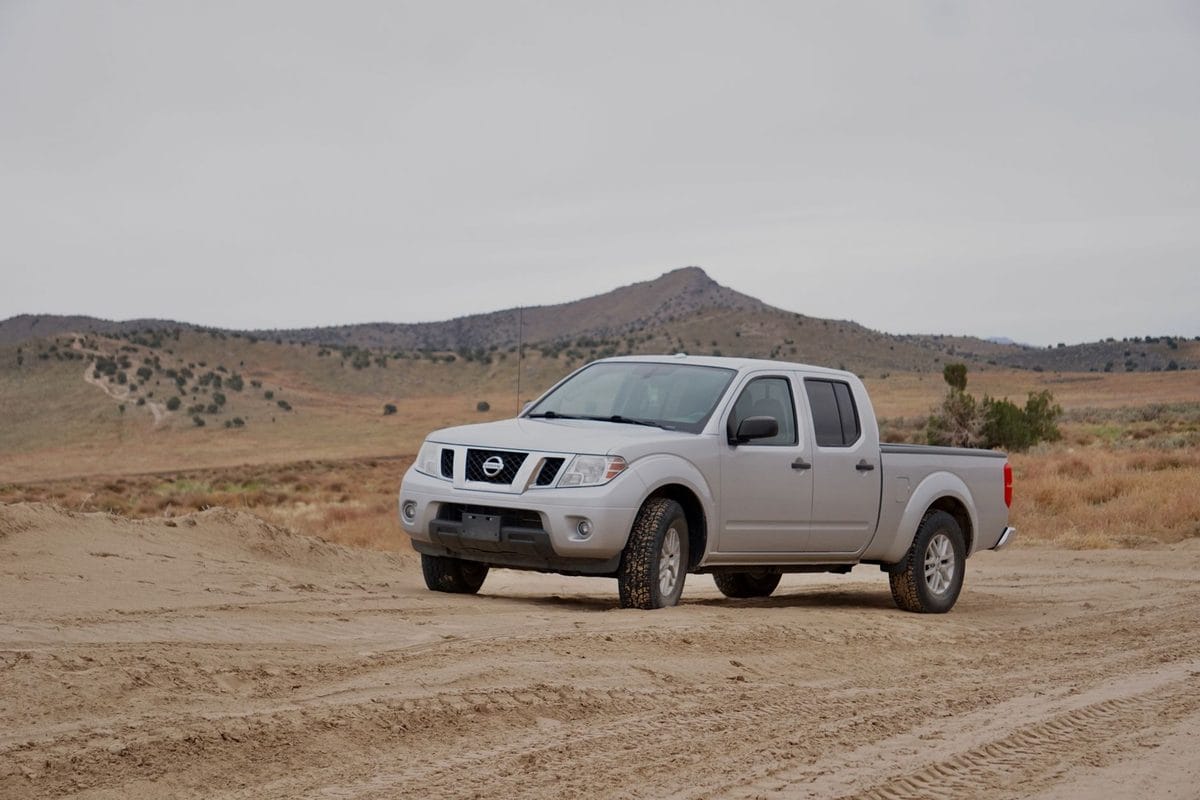
The Used Midsize Market Has Softened — Which Means It's Finally a Buyer's Market
Used vehicle prices peaked in late 2021 and have been declining since, and the midsize truck segment has followed that pattern. A 2021 Toyota Tacoma TRD Off-Road that was trading at $42,000 used in early 2022 is now clearing dealer lots in the $32,000–$36,000 range depending on mileage and trim, according to transaction data from CarGurus and Edmunds pricing tools. A 2020 Ford Ranger XLT with under 50,000 miles has settled around $24,000–$27,000. The third-generation Nissan Frontier — which launched for 2022 and fixed most of what was wrong with the previous-gen — is coming off lease in volume now, and clean examples are landing between $26,000 and $30,000. For the first time in four years, you don't have to panic-buy the first midsize truck you find.
Toyota Tacoma: The Truck You Buy When You Intend to Keep It 15 Years
The Tacoma's reputation for long-term reliability is not mythology — it's reflected in retained value that consistently outpaces the segment, which tells you that the market genuinely believes these trucks last. The third-generation Tacoma ran from 2016 through 2023 with relatively few mechanical changes, so a 2019 and a 2022 are essentially the same truck under the hood: a 3.5-liter V6 making 278 horsepower, rated to tow 6,800 lbs when properly equipped, with a payload of 1,440–1,685 lbs depending on configuration. The six-speed automatic is adequate; the six-speed manual, available in the Access Cab with the TRD Sport and TRD Off-Road, is genuinely good and has no real competition in the segment.
The honest case against: the third-gen Tacoma's fuel economy is poor for the class — 19 city / 24 highway on the V6 automatic, which trails the Ranger by 3–4 MPG on the highway. The ride on pavement is choppy compared to the Ranger, a consequence of the solid rear axle setup that makes it better off-road but less comfortable on a daily commute at 70 mph. And the infotainment system in pre-2020 trucks is dated enough that CarPlay retrofits via aftermarket decks are common for a reason. None of these are dealbreakers, but they're real trade-offs.
Ford Ranger: The Truck for Men Who Drive on Roads
The current-generation Ranger — 2019 onward in the US — is a better daily driver than the Tacoma by a meaningful margin. The turbocharged 2.3-liter EcoBoost four-cylinder makes 270 horsepower and 310 lb-ft of torque, which delivers the most confidence under acceleration of the three trucks here, and the 10-speed automatic shifts well enough that you stop noticing it. Tow rating is 7,500 lbs — best in class for the period — and the coil-spring rear suspension gives it a composed, car-like feel at highway speeds that the Tacoma and Frontier don't match. EPA ratings of 21 city / 26 highway are the best of the three.
The concern with the Ranger is the EcoBoost engine's long-term maintenance cost relative to the naturally-aspirated V6 in the Tacoma. Turbocharged direct-injection engines require more diligent oil change intervals — Ford's recommendation of 10,000 miles is fine for newer engines but aggressive for high-mileage used examples — and carbon buildup on intake valves is a known issue on the 2.3-liter at high mileage. For a used truck north of 80,000 miles, budget an intake cleaning at some point. It runs $200–$400 at an independent shop. Not catastrophic, but worth knowing before you negotiate price.
Nissan Frontier: The Value Case That Actually Makes Sense Now
The third-generation Frontier, which replaced the decade-old previous platform for 2022, is a different truck from what Nissan was selling before. It uses a 3.8-liter V6 making 310 horsepower — more than either competitor — paired with a nine-speed automatic, and the result is a truck that's genuinely quick and hauls well. Tow rating is 6,720 lbs, payload up to 1,610 lbs. The interior quality closed most of the gap with Tacoma and significantly exceeded the old Frontier. Carfax reliability data on 2022–2024 examples shows very few powertrain complaints in the first ownership cycle, though the sample size on third-gen trucks is still relatively small.
The Frontier's disadvantage is residual value — it depreciates faster than the Tacoma, which is exactly why it's a good used buy. A 2022 Frontier SV with 30,000 miles typically lists at $27,000–$29,000. The equivalent 2022 Tacoma SR5 with similar miles is $34,000–$37,000. You're getting a newer, more powerful truck for $7,000–$8,000 less. If you plan to sell in five years, the Tacoma likely holds value better. If you're driving it into the ground, the math strongly favors the Frontier.
Which One to Actually Buy
Buy the Tacoma if longevity and off-road capability matter more than ride quality and fuel economy. The 2019–2023 TRD Off-Road in the $31,000–$36,000 range is the sweet spot — old enough to have softened in price, new enough to have the updated infotainment. Buy the Ranger if you want the best daily driver experience and the EcoBoost's maintenance overhead doesn't concern you — the 2021–2022 model years hit the best value window right now. Buy the Frontier if you're buying used and want the most truck per dollar and don't expect to sell it before 150,000 miles.